

A FIVE-PART PODCAST FROM TRANSFORM FINANCE
Own The Block
What does it take to move land, capital, wealth, and decision-making power into the hands of communities that have historically been excluded from ownership?
Explore the episodes ↓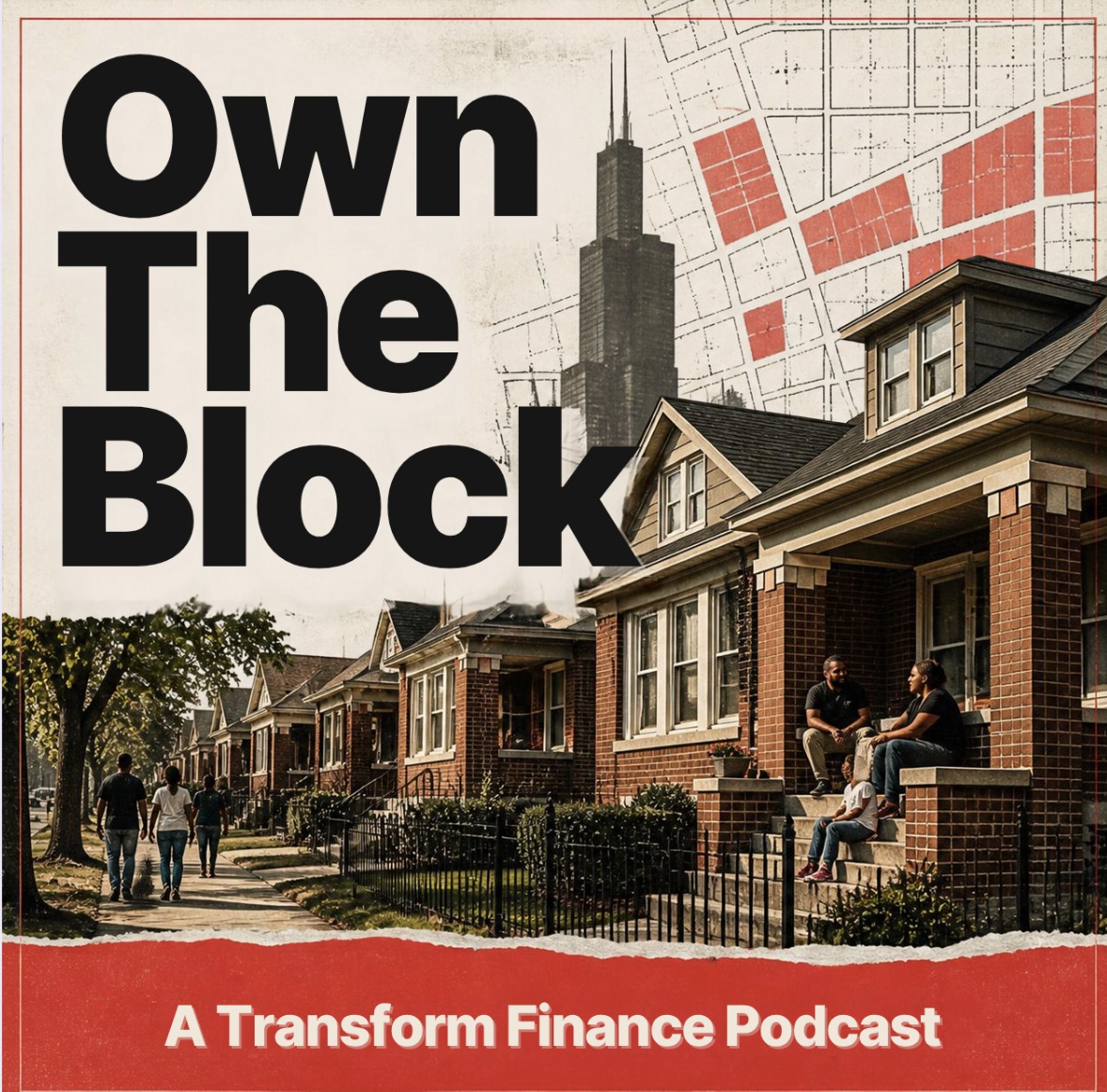
LISTEN & FOLLOW
ABOUT THE SERIES
How are leaders combining capital, policy, organizing, governance, and long-term stewardship to make CORE durable?
Own the Block explores how Community-Owned Real Estate (CORE) can shift power and capital toward Black, Brown, Indigenous, immigrant, and working-class communities—turning real estate from a vehicle of extraction and displacement into infrastructure for ownership, wealth creation, and self-determination.
Across five episodes, we ask what it would take to stop treating community ownership as an exception and start treating it as necessary. Guests bring perspectives as organizers, community developers, funders, researchers, intermediaries, and practitioners working at the edge of what is possible.
Listeners will leave with a clearer understanding of how Community-Owned Real Estate projects are moving land, wealth, and decision-making power into the hands of communities that have historically been excluded from ownership. They will also come away with a sharper sense of what it will take—capital, policy, organizing, governance, and long-term stewardship—to make CORE durable at scale.
Five conversations.
Each one is a different place to start.
EPISODE 01
What Is CORE—and Why Capital Matters
IN THIS CONVERSATION
About this episode
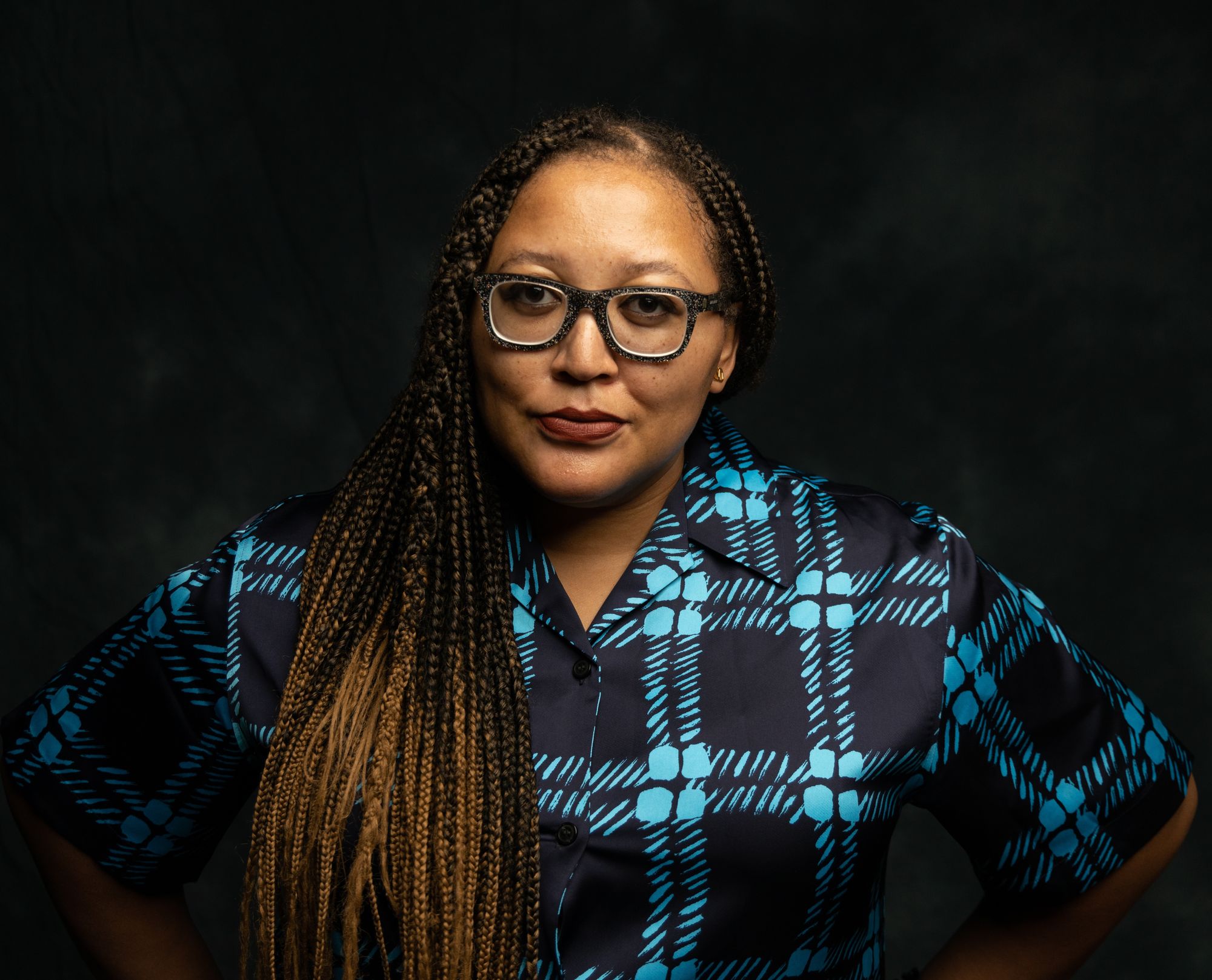
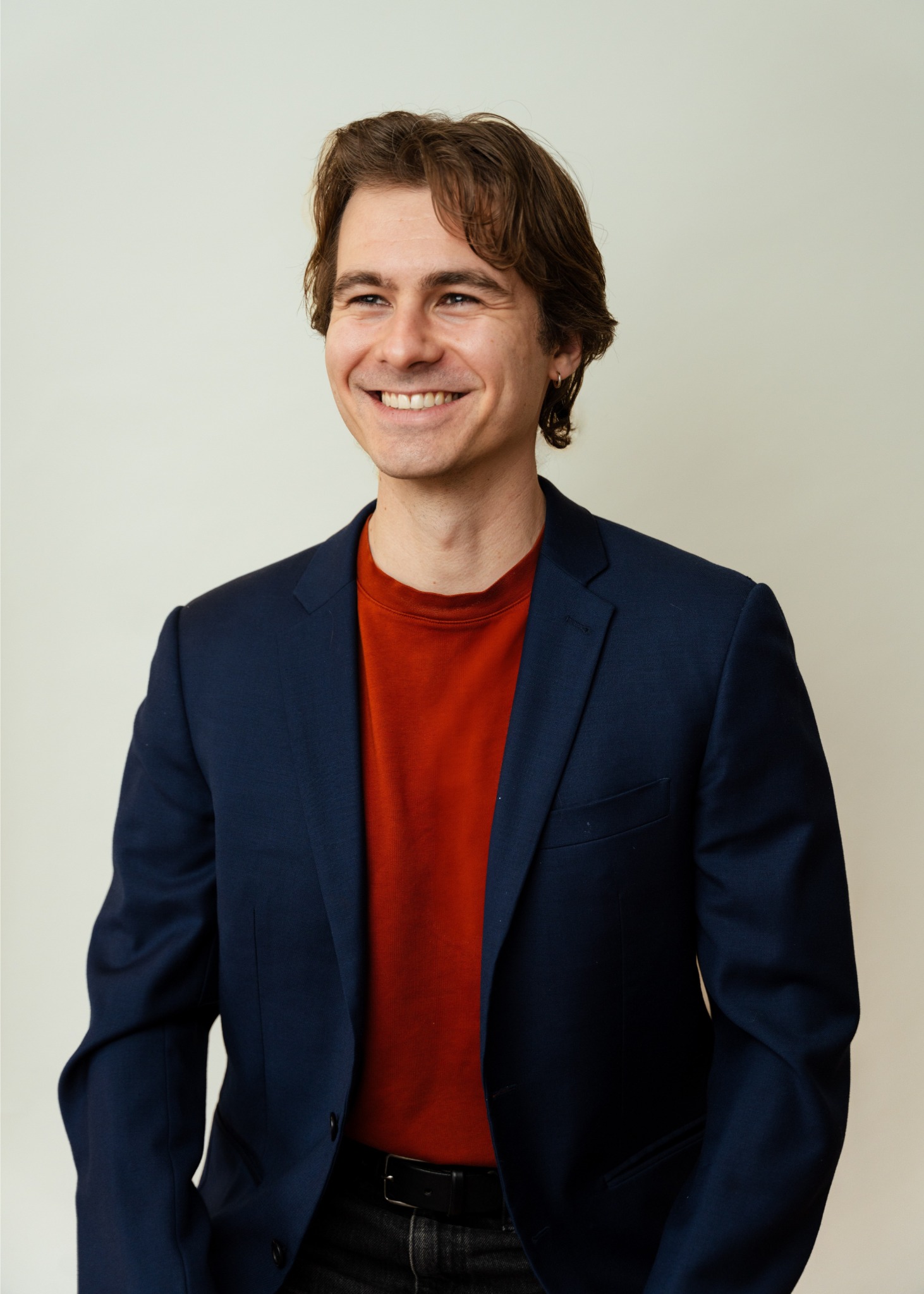
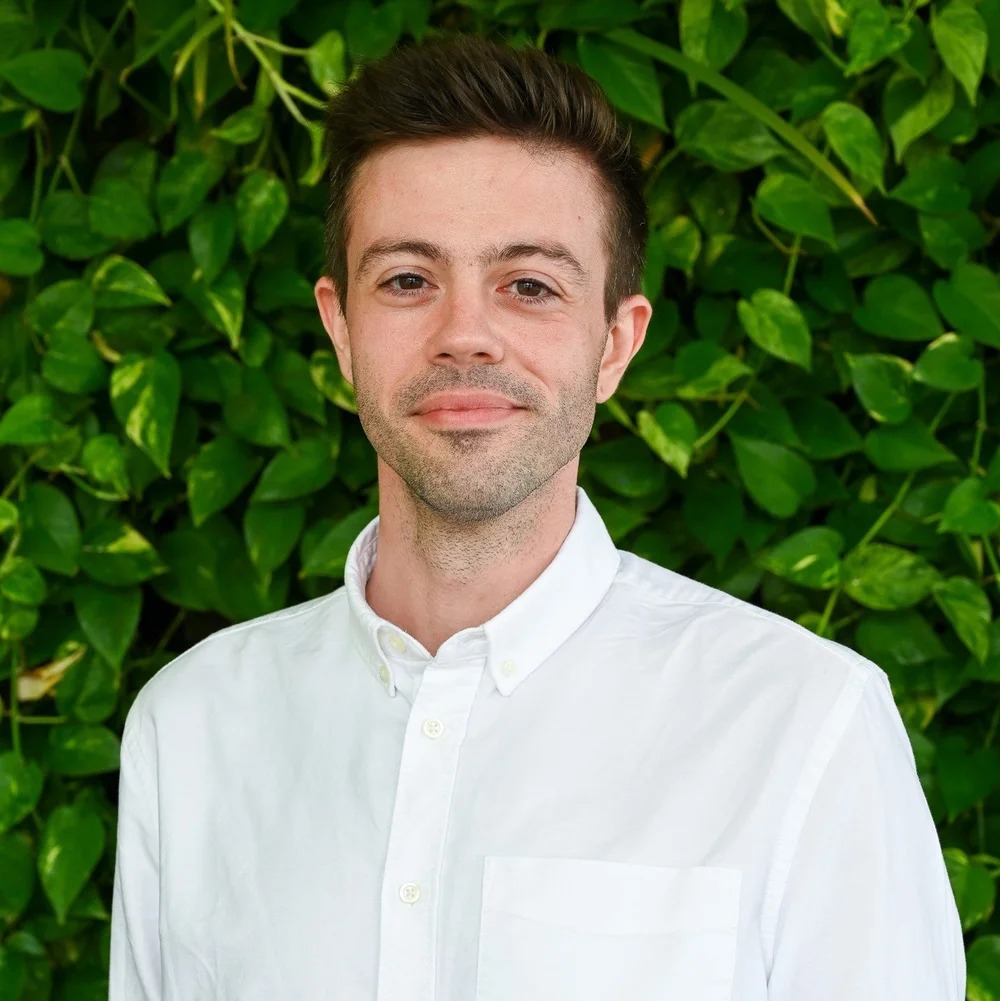
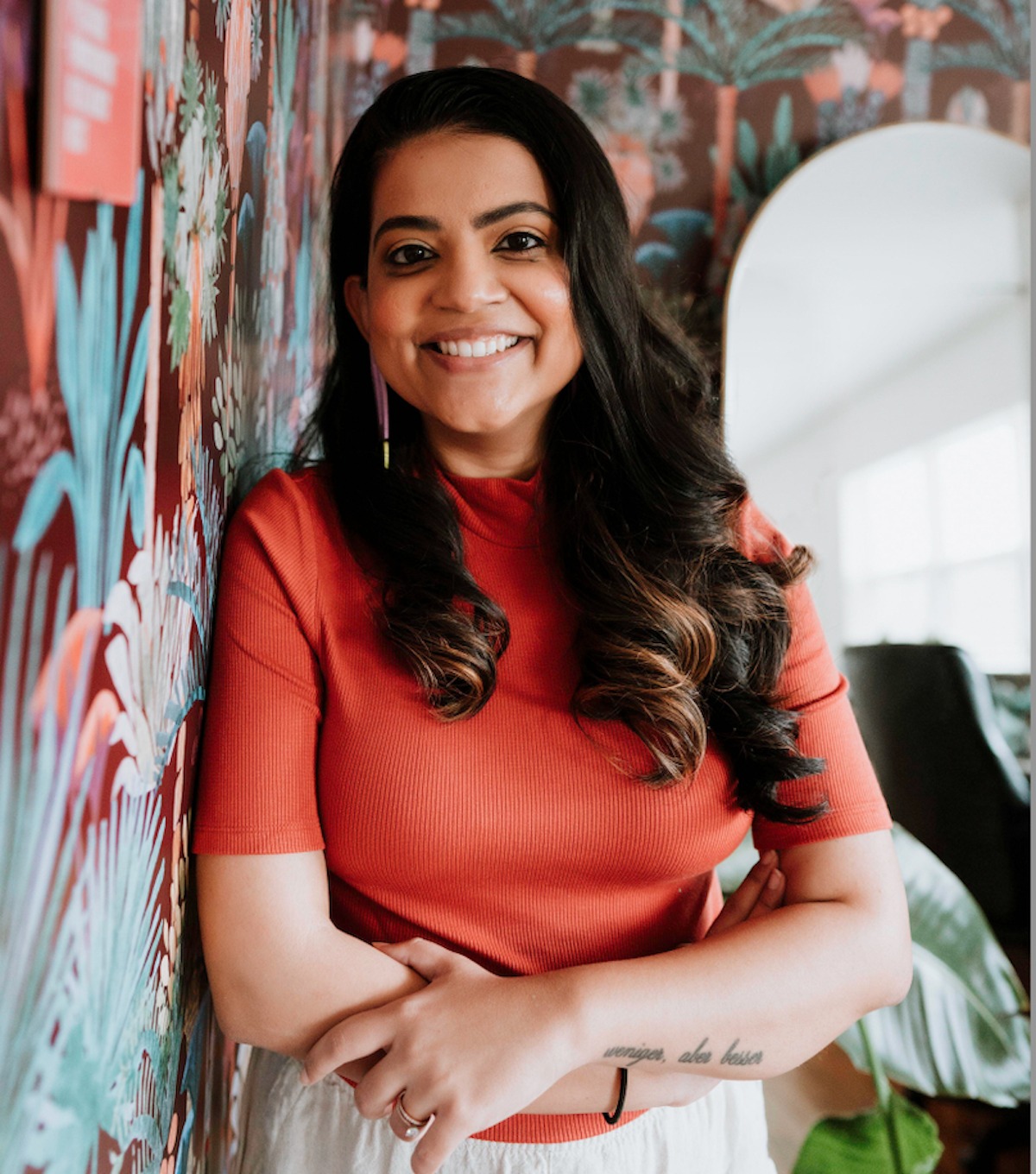
This first episode of Own The Block sets the table for the season: what community-owned real estate actually is, how mature the field is in 2026, and what it will take for community ownership to become a durable, repeatable part of the real estate system rather than a one-off exception. Curt Lyon (Executive Director at Transform Finance) and Ahmed Mori (Co-director of the Community Ownership Learning & Action Lab at the University of Miami) zoom out to the state of the field and its policy landscape, while Nikishka Iyengar (Founder and CEO at The Guild) brings it down to the ground through The Guild's own work building the Community Stewardship Trust.
In this episode
- A working definition of community-owned real estate (CORE) and what separates it from conventional development or mission-driven real estate.
- The scale of the field today — including an estimate by Bridgespan of 300+ organizations holding over $10 billion in community-owned real estate assets.
- What "ecosystem stewardship" means and who is playing that connective role around the country.
- Where policy is moving the field forward (opportunity-to-purchase laws, Measure ULA, community wealth-building funds) and where implementation still falls short.
- What "durability at scale" would require — not just more capital, but standardized legal tools, revolving acquisition funds, and long-term stewardship financing.
- Inside The Guild's Community Stewardship Trust model and how its buyback mechanism lets community shareholders — not outside investors — capture the upside as properties appreciate.
Explore further
EPISODE 02
Who Gets to Own the Neighborhood
IN THIS CONVERSATION

About this episode
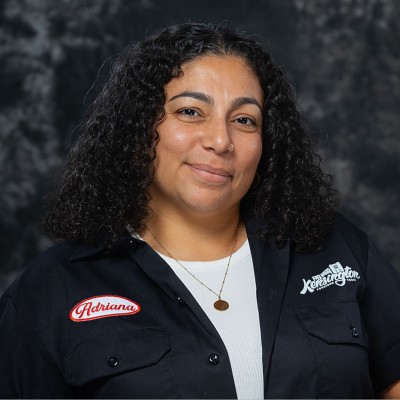
This is the episode that earns the show's name: a real look at who actually gets to own a neighborhood, and who makes that ownership possible in the first place. Adriana Abizadeh-Barbour (Executive Director, Kensington Corridor Trust) and Noni Session (Executive Director, East Bay Permanent Real Estate Cooperative) compare notes across two very different community ownership models — a Philadelphia neighborhood trust and an Oakland cooperative — on what it actually takes to build power, not just acquire property.
In this episode
- How the Kensington Corridor Trust's neighborhood trust model works, and why collective ownership doesn't have to compete with individual homeownership.
- Why Noni Session chose cooperative economic ownership over city government as the path to slowing displacement in West Oakland.
- The invisible labor behind every deal — paid stipends at KCT (double the Philadelphia living wage, per hour) and the personal privilege that let EB PREC's founders give years of unpaid labor to get off the ground.
- How power, not just property, shapes who gets to participate in ownership — and why real estate is a lever for policy change, not the end goal.
- The tension between moving "at the speed of trust" and "at the speed of gentrification" — and why both guests push back on the idea that speed should be the goal.


